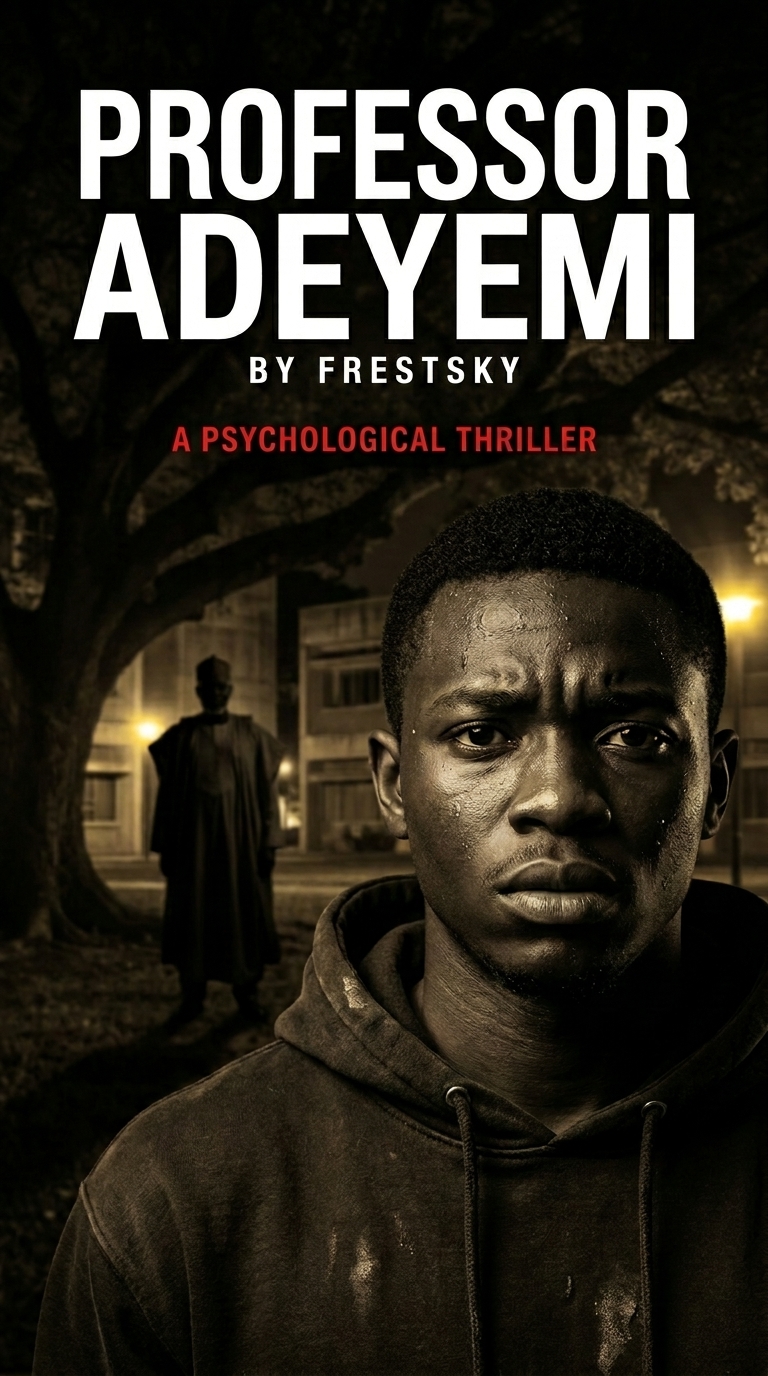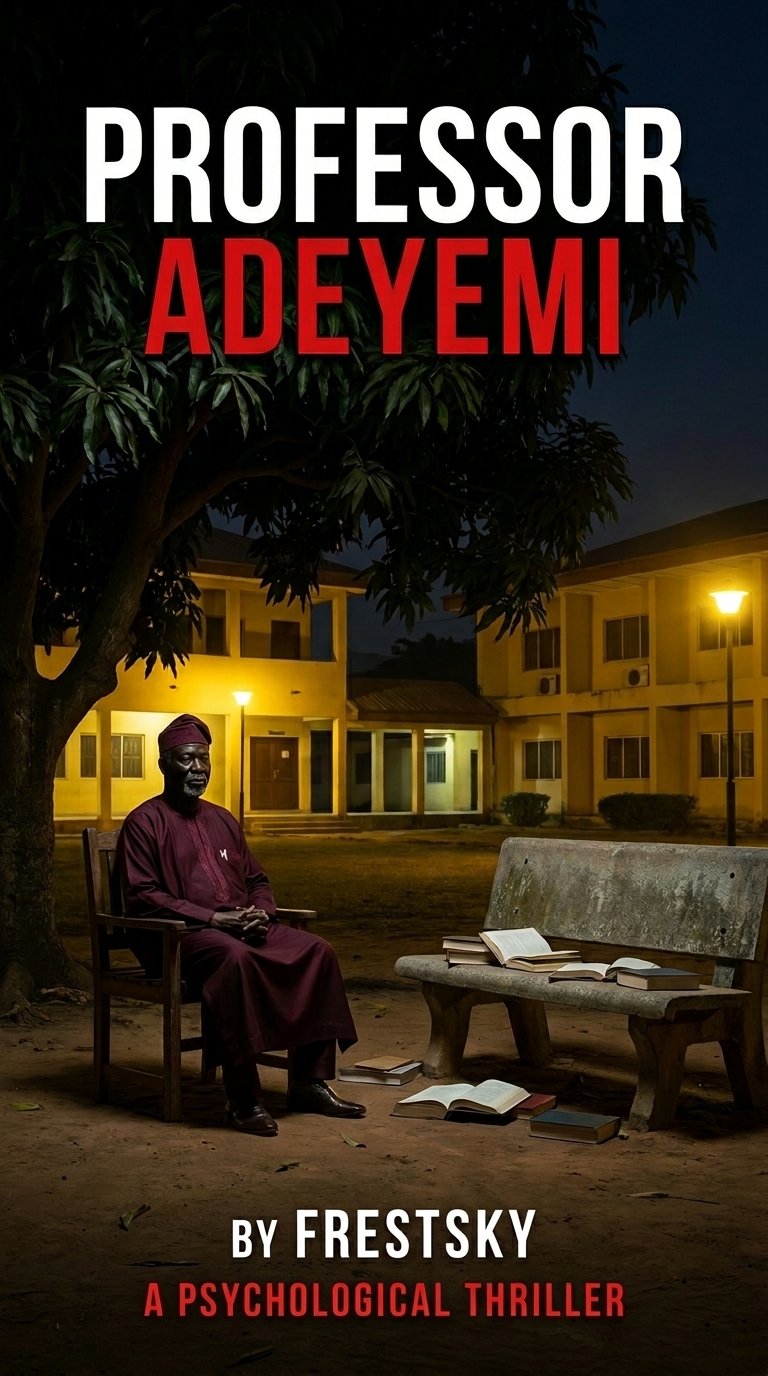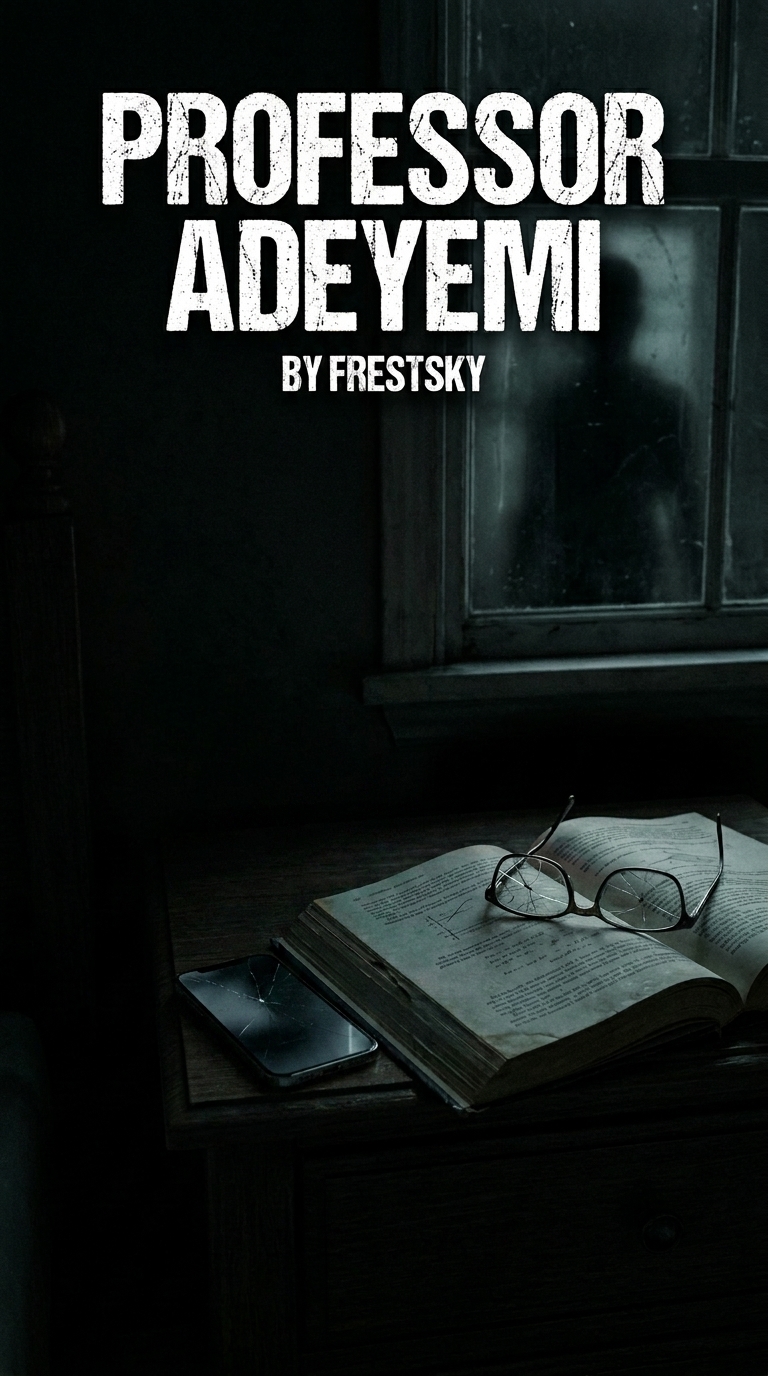

There is a particular kind of deterioration that is invisible from the outside until it is almost complete. I know this because I lived inside it for the better part of my penultimate year, and the people around me, Kunle, Emeka, my lecturers, and the few course mates I still spoke to, saw the surface of it but not the interior. The surface was a quieter Tayo, a thinner Tayo, a Tayo who sometimes did not show up to things and who gave short answers when he did.
By the middle of that year I had stopped going to most of my lectures. Not because I had decided to, I had never in my life made the decision to stop attending lectures, it went against something fundamental in how I was built. It was more that the decision kept getting made without my participation. Morning would come and my body would not cooperate with the plan my mind had formed the night before, and hours would pass in a state I cannot fully describe, not sleep, not wakefulness, just a grey suspension in which time moved without my awareness and the day went somewhere I could not follow.
My GPA had dropped to a place that, a year earlier, I would not have believed possible for me.
The voice returned more consistently, the weight had stayed. The nightmares got worse, I wake up by 2am and when I try to go back to sleep, I see professor Adeyemi, sometimes I see him sitting at the edge of my bed, smiling, scrolling through my books. Kunle noticed my strange behaviours, he noticed everything but he said nothing about it. Or so I thought.
It was when she met me, I knew Kunle was actually going all out to help me. Her name was Simi and she was my classmate.
I had been aware of her for most of the year the way you are aware of people who occupy the same spaces as you without your paths ever quite crossing. She was one of those church girls, Kunle started to mingle with. We had spoken perhaps four times since my first year. Brief, practical exchanges, sharing notes once, a question about an assignment deadline, the ordinary small interactions of coursemates.
She found me on a Thursday afternoon sitting on the steps outside the faculty building. I had been there for some time. I had meant to go inside for a lecture but something had stalled me on the steps and the lecture had started without me and I had stayed where I was, watching the students move past, feeling the weight of the thing that followed me everywhere.
She simply sat down next to me.
“You’re not going in?” she said.
“No.”
She nodded slowly. She did not ask why, which I was grateful for.
We sat in silence for a while. It was not an uncomfortable silence.
Then she said, quietly, “There’s a programme at my church tonight. A midweek service. You can come if you want.”
I looked at her.
Faith had not been part of my framework. It had not been part of the way I understood the world or the way I navigated problems. I was, as I have said, a logical person, or had been one, a person who dealt in what could be demonstrated. Church was not something I had dismissed so much as something I had simply never thought applied to me.
But I was sitting on steps outside a lecture I had failed to attend, in a university where I was failing to graduate, haunted by a dead man and a dead boy, with no remaining explanation and no remaining strategy and no remaining energy for either.
“Okay,” I said.
She looked at me, perhaps slightly surprised that it had been that simple.
“Okay,” she said.